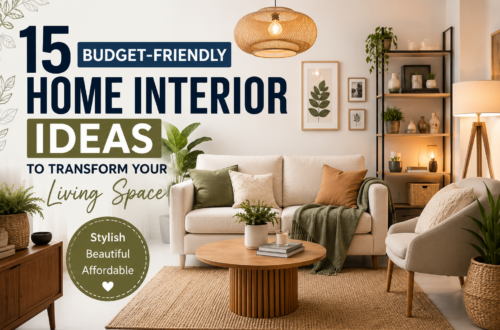









A small living room doesn’t have to feel cramped or cluttered. With thoughtful planning, clever furniture choices, and the right décor, even the most compact space can become stylish, functional, and inviting. Whether you live in an apartment, studio, or a small house, there are countless ways to create the illusion of a larger room while maintaining comfort and personality.
This guide explores practical small living room design ideas that combine aesthetics with functionality, helping you make the most of every square foot.
Why Small Living Room Design Matters
The living room is often the heart of the home. It’s where families gather, guests are entertained, and everyday relaxation happens. A well-designed small living room can:
- Improve comfort and functionality
- Make the room feel larger
- Increase natural light
- Reduce visual clutter
- Enhance organization
- Create a welcoming atmosphere
Good design isn’t about having more space—it’s about using the available space wisely.
1. Choose Light Wall Colors
Light-colored walls reflect more natural light, making a room feel brighter and more open.
Popular choices include:
- Soft White
- Cream
- Light Gray
- Warm Beige
- Pale Sage Green
- Dusty Blue
These shades create a calm backdrop that pairs well with almost any décor style.
2. Select the Right Sofa
A bulky sofa can overwhelm a compact room.
Instead, choose:
- Slim-arm sofas
- Loveseats
- Apartment-size sectionals
- Armless seating
- Sofas with exposed legs
Furniture that sits slightly above the floor creates an airy appearance.
3. Use Multi-Functional Furniture
Every piece should serve more than one purpose whenever possible.
Excellent options include:
- Storage ottomans
- Lift-top coffee tables
- Foldable nesting tables
- Benches with hidden storage
- Sofa beds
These items save space while improving functionality.
4. Add a Large Mirror
Mirrors visually double the room by reflecting light.
Ideal locations include:
- Opposite windows
- Behind the sofa
- Above a console table
- Adjacent to natural light sources
A single oversized mirror often works better than several small ones.
5. Keep the Floor Visible
Showing more flooring creates the illusion of additional space.
Use:
- Raised furniture legs
- Floating cabinets
- Wall-mounted TV units
- Compact side tables
Avoid oversized furniture that sits directly on the floor.
6. Maximize Vertical Space
Walls provide valuable storage opportunities.
Install:
- Floating shelves
- Wall-mounted bookcases
- Vertical storage units
- Hanging planters
- Tall cabinets
This keeps the floor uncluttered while increasing storage.
7. Use a Neutral Color Palette
Neutral tones create visual harmony.
A timeless combination includes:
- White walls
- Wooden furniture
- Beige rugs
- Olive-green plants
- Black accent pieces
This palette suits both modern and traditional interiors.
8. Let Natural Light In
Avoid blocking windows with heavy curtains.
Instead, choose:
- Sheer curtains
- Light linen drapes
- Roller blinds
- Roman shades
Natural light instantly makes a room feel more spacious.
9. Choose the Right Rug Size
A rug that is too small can make a room appear fragmented.
Select one that extends beneath the front legs of your seating to visually unify the space.
10. Decorate with Indoor Plants
Plants add color, texture, and freshness without requiring major changes.
Great options include:
- Snake Plant
- ZZ Plant
- Pothos
- Peace Lily
- Rubber Plant
Position them near windows or in unused corners.
11. Keep Decorations Minimal
Instead of filling every surface, focus on a few statement pieces:
- Framed artwork
- Ceramic vases
- Sculptural lamps
- Decorative trays
- Coffee table books
Minimal décor creates a cleaner, more spacious look.
12. Create Hidden Storage
Clutter is the biggest enemy of small spaces.
Storage ideas:
- Under-sofa bins
- Hidden drawers
- Wall cabinets
- Storage baskets
- Built-in shelving
Everything should have a designated place.
13. Use Glass Furniture
Glass coffee tables and side tables occupy visual space without making the room feel crowded.
Their transparency helps maintain an open appearance.
14. Add Layers of Lighting
Instead of relying solely on a ceiling light, combine:
- Floor lamps
- Table lamps
- Wall sconces
- LED strip lighting
Layered lighting creates depth and warmth.
15. Hang Curtains Higher
Mount curtain rods several inches above the window frame.
This simple trick makes ceilings appear taller and the room more elegant.
16. Create a Focal Point
Every room benefits from one standout feature, such as:
- A fireplace
- A feature wall
- A large artwork
- A stylish TV unit
- A statement light fixture
Arrange furniture around this focal point for balance.
17. Add Texture
Mix different materials to create visual interest.
Combine:
- Wood
- Linen
- Cotton
- Leather
- Woven baskets
- Ceramic accessories
Texture adds warmth without overwhelming the room.
18. Organize Cables
Visible wires create unnecessary clutter.
Use cable organizers, sleeves, or concealed raceways to keep electronics neat.
19. Incorporate Smart Technology
Modern smart-home features can improve convenience while reducing visible clutter.
Examples include:
- Smart bulbs
- Voice-controlled lighting
- Wireless speakers
- Smart plugs
- Compact streaming devices
These additions blend seamlessly into contemporary interiors.
20. Refresh Seasonally
Small seasonal updates keep your living room feeling fresh.
Ideas include:
- New cushion covers
- Decorative throws
- Fresh flowers
- Seasonal centerpieces
- Rotating artwork
These inexpensive changes provide a noticeable transformation.
Recommended Furniture for Small Living Rooms
| Furniture | Why It Works |
|---|---|
| Loveseat | Fits compact spaces comfortably |
| Storage Ottoman | Seating plus hidden storage |
| Floating TV Unit | Saves floor space |
| Nesting Tables | Flexible and space-saving |
| Slim Bookshelf | Uses vertical space efficiently |
| Foldable Side Table | Easy to store when not needed |
Common Mistakes to Avoid
- Buying oversized furniture
- Blocking windows
- Using too many decorative items
- Choosing dark wall colors throughout
- Ignoring vertical storage
- Leaving cables exposed
- Selecting rugs that are too small
- Overcrowding shelves
- Poor lighting placement
- Neglecting storage solutions
Frequently Asked Questions
1. What colors make a small living room appear larger?
Light shades such as white, cream, beige, and soft gray reflect more light and create an open feeling.
2. Is a sectional sofa suitable for a small room?
Yes, if it’s specifically designed for compact spaces and doesn’t block movement.
3. How can I make my living room look expensive on a budget?
Upgrade lighting, add textured cushions, use large mirrors, keep the room clutter-free, and choose coordinated décor.
4. Are indoor plants suitable for small spaces?
Absolutely. Compact plants enhance the room without taking up much space.
5. Should I use dark furniture?
Yes, but balance it with light-colored walls, rugs, and accessories.
6. What is the best lighting for a small living room?
A combination of ambient, task, and accent lighting provides depth and flexibility.
7. How do mirrors improve a room?
They reflect both light and views, making spaces feel brighter and visually larger.
8. Can floating shelves replace cabinets?
In many cases, yes. They provide storage while keeping the room feeling open.
9. What flooring is best for small living rooms?
Light wood, laminate, luxury vinyl, and large-format tiles help create a seamless appearance.
10. How often should I refresh my living room décor?
Simple updates every season and a more comprehensive refresh every few years keep the space current and comfortable.
Conclusion
Designing a beautiful small living room is about maximizing every inch without sacrificing comfort or style. By selecting appropriately sized furniture, embracing natural light, using vertical storage, and maintaining a cohesive color palette, you can create a room that feels spacious, welcoming, and practical. Small, intentional updates often have the greatest impact, proving that great interior design is achievable regardless of room size.
Disclaimer
This article is for informational and inspirational purposes only. Interior design preferences, furniture dimensions, renovation costs, and material availability may vary based on individual needs and local markets. Before making structural changes, electrical modifications, or major renovations, consult qualified professionals and follow applicable building regulations and safety guidelines.