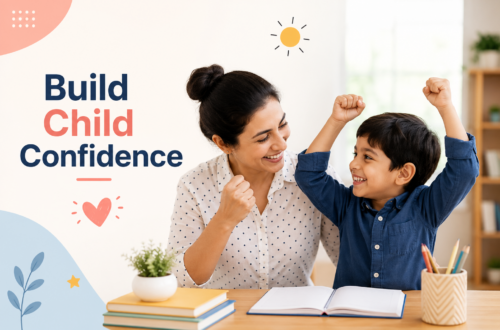








Parenting is one of the most rewarding yet challenging journeys in life. Every parent wants to raise a happy, confident, and responsible child, but there is no universal instruction manual for doing so. Positive parenting is an approach that focuses on respect, empathy, communication, and encouragement instead of punishment and fear. It helps children develop emotional intelligence, self-confidence, and healthy relationships while creating a peaceful family environment.
Whether you are raising a toddler, a school-aged child, or a teenager, practicing positive parenting can make everyday interactions more meaningful. This guide explores practical strategies that parents can use to strengthen their relationship with their children and support healthy child development.
What Is Positive Parenting?
Positive parenting is a parenting style that emphasizes mutual respect, emotional support, and consistent guidance. Instead of relying on harsh discipline, parents teach children through patience, understanding, and positive reinforcement.
This approach encourages children to:
- Develop self-discipline
- Build confidence
- Learn responsibility
- Express emotions appropriately
- Solve problems independently
Positive parenting doesn’t mean allowing children to do whatever they want. Instead, it involves setting clear boundaries while maintaining kindness and respect.
Why a Strong Parent-Child Bond Matters
A secure relationship between parents and children provides the emotional foundation children need to grow into healthy adults. Children who feel loved and supported often perform better academically, develop stronger friendships, and cope with stress more effectively.
Benefits include:
- Better emotional regulation
- Increased self-esteem
- Improved communication skills
- Stronger family relationships
- Better behavior at home and school
- Reduced anxiety and stress
1. Spend Quality Time Together
Children value attention more than expensive gifts. Even 20–30 minutes of uninterrupted time each day can strengthen your relationship.
Ideas include:
- Reading books together
- Playing board games
- Cooking simple meals
- Going for evening walks
- Drawing or painting
- Talking about their day
The goal is to be fully present without distractions from phones or television.
2. Listen More Than You Speak
Children need to feel heard. When they share their feelings, avoid interrupting or immediately offering solutions.
Practice active listening by:
- Making eye contact
- Asking open-ended questions
- Showing empathy
- Acknowledging their emotions
- Avoiding judgment
When children feel understood, they are more likely to communicate openly in the future.
3. Praise Effort Instead of Results
Rather than focusing only on achievements, appreciate the effort your child puts into learning and improving.
Instead of saying:
“You are so smart.”
Try saying:
“I noticed how hard you worked on this project.”
This encourages a growth mindset and teaches children that persistence leads to success.
4. Set Clear and Consistent Rules
Children feel more secure when they understand family expectations.
Good family rules should be:
- Simple
- Age-appropriate
- Consistent
- Clearly explained
Consistency helps children understand consequences and reduces confusion.
5. Encourage Independence
Allow children to complete tasks appropriate for their age.
Examples include:
- Putting away toys
- Packing school bags
- Choosing clothes
- Helping prepare meals
- Organizing homework
These responsibilities build confidence, responsibility, and problem-solving skills.
6. Manage Your Own Emotions
Children learn by watching adults. Staying calm during difficult situations teaches emotional control.
Before reacting:
- Take a deep breath.
- Count to ten.
- Speak calmly.
- Focus on solving the problem rather than blaming.
Your behavior becomes your child’s greatest lesson.
7. Create Daily Family Traditions
Simple routines create lasting memories.
Ideas include:
- Family dinners
- Weekend outings
- Bedtime stories
- Movie nights
- Monthly family games
- Celebrating small achievements
Traditions strengthen emotional connections and provide children with a sense of belonging.
8. Teach Emotional Intelligence
Help children identify and express their feelings.
Encourage phrases such as:
- “I feel sad.”
- “I feel frustrated.”
- “I feel excited.”
- “I need help.”
Teaching emotional vocabulary helps children communicate instead of reacting with anger or frustration.
9. Limit Screen Time
Technology is part of modern life, but excessive screen use can reduce family interaction and physical activity.
Healthy habits include:
- Screen-free meals
- No devices before bedtime
- Outdoor play every day
- Family reading time
- Educational content when using screens
Balance is the key to healthy digital habits.
10. Lead by Example
Children imitate what they see more than what they hear.
Model behaviors such as:
- Respect
- Honesty
- Kindness
- Patience
- Gratitude
- Responsibility
The values you demonstrate every day become lifelong lessons for your child.
Common Parenting Mistakes to Avoid
Even loving parents make mistakes. Being aware of common challenges can help improve your parenting approach.
Avoid:
- Comparing your child with others
- Using harsh criticism
- Ignoring emotions
- Inconsistent discipline
- Solving every problem for your child
- Expecting perfection
Remember that parenting is a continuous learning process.
Practical Daily Parenting Habits
Small daily actions create long-term positive outcomes.
Try to:
- Hug your child every day.
- Ask about their feelings.
- Eat one meal together.
- Read for at least 15 minutes.
- Celebrate small accomplishments.
- Encourage curiosity and questions.
- Say “I love you” regularly.
These simple habits build trust and emotional security.
Supporting Child Development at Every Stage
Every age comes with unique developmental needs.
Toddlers (1–3 years):
Focus on language development, routines, and exploration.
Preschoolers (3–5 years):
Encourage creativity, social skills, and imaginative play.
School-Age Children (6–12 years):
Support learning, independence, friendships, and healthy habits.
Teenagers (13–18 years):
Maintain open communication, respect their opinions, and provide guidance without excessive control.
Understanding developmental stages helps parents respond appropriately to changing needs.
Conclusion
Positive parenting is not about being a perfect parent—it is about being a consistent, caring, and supportive one. By spending quality time together, listening with empathy, setting healthy boundaries, and encouraging independence, parents can nurture children who are emotionally strong, confident, and compassionate.
Every conversation, hug, and shared experience contributes to your child’s growth. The strongest parent-child relationships are built through patience, trust, and unconditional love. Small positive changes in your daily interactions can have a lasting impact, helping your child thrive both now and in the future.
Frequently Asked Questions (FAQs)
1. What is positive parenting?
Positive parenting is an approach that focuses on respect, communication, encouragement, and healthy discipline instead of punishment.
2. Does positive parenting work for teenagers?
Yes. Open communication, trust, and consistent boundaries are effective for children of all ages.
3. How much quality time should parents spend with children?
Even 20–30 minutes of focused, distraction-free time each day can strengthen your relationship.
4. How can I improve communication with my child?
Listen actively, ask open-ended questions, and encourage honest conversations without judgment.
5. Should children have household responsibilities?
Yes. Age-appropriate chores teach responsibility, confidence, and independence.
6. How can I reduce my child’s screen time?
Create screen-free routines, encourage outdoor activities, and spend more time together as a family.
7. Why is emotional intelligence important?
It helps children understand emotions, communicate effectively, and build healthy relationships.
8. What should I do when my child misbehaves?
Stay calm, explain the consequences, and guide them toward better choices instead of reacting with anger.
9. Can praise improve a child’s confidence?
Yes. Praising effort rather than natural ability encourages resilience and continuous learning.
10. Is there a perfect parenting style?
No. Every child is different. The best parenting approach combines love, consistency, patience, and understanding.